Physical Address
304 North Cardinal St.
Dorchester Center, MA 02124
Physical Address
304 North Cardinal St.
Dorchester Center, MA 02124

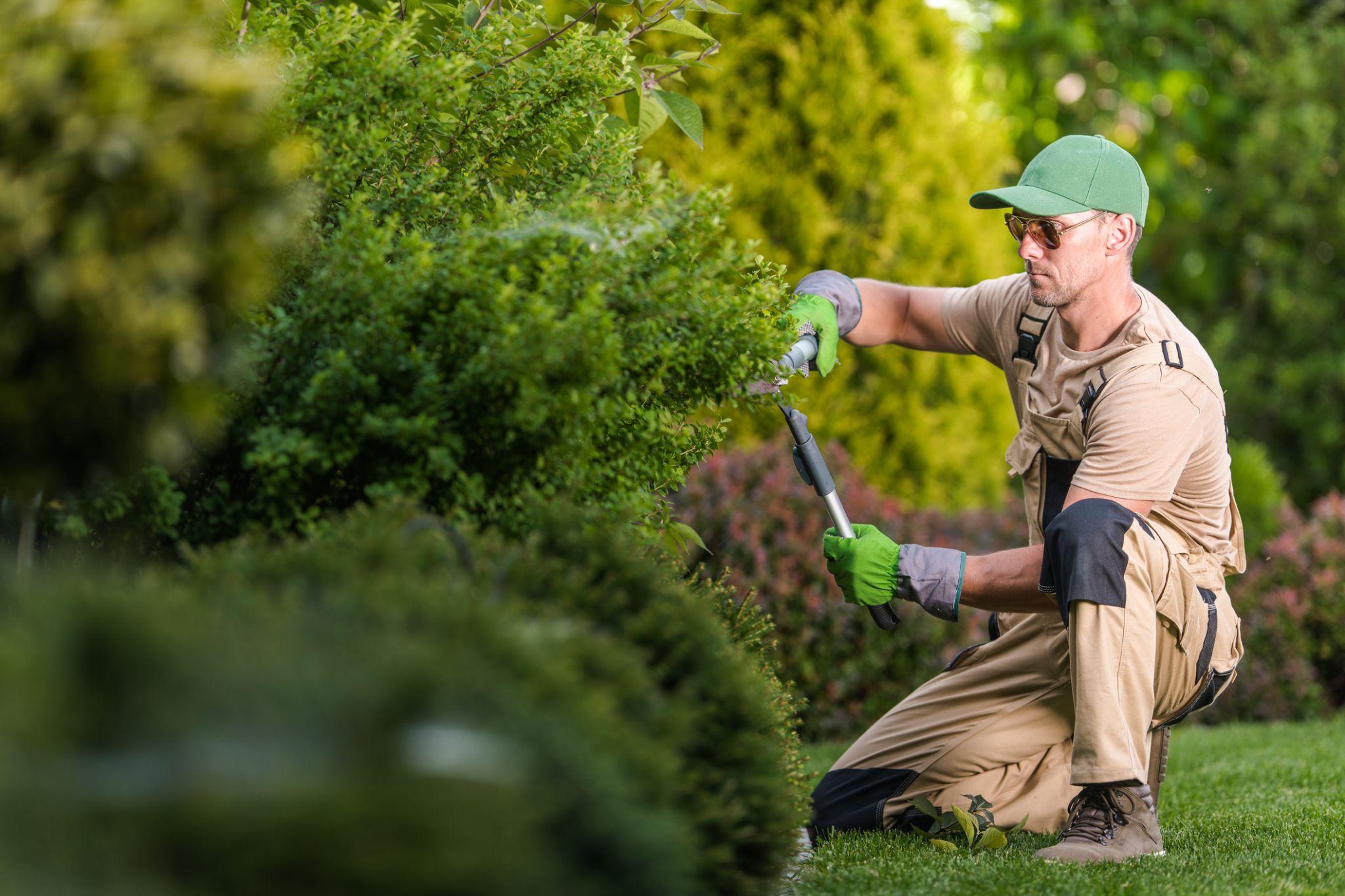
Calgary homeowners look for landscapers who understand the local climate. Chinooks, clay-heavy soil, and short growing seasons all affect how a yard holds up over time. The best crews plan for drainage, use materials rated for freeze-thaw cycles, and back their work with clear warranties. Awards and reviews help narrow the list, but proper site planning and honest pricing matter most in the long run.
Ever watched a brand-new patio heave and crack after one Alberta winter? It happens more often than most homeowners expect, and it usually traces back to a decision made months earlier, when a contractor skipped the base prep to shave a few hundred dollars off the quote.
Calgary yards face conditions that would humble a landscaper from milder parts of the country. Temperatures can swing thirty degrees in a single afternoon during chinook season, and the clay soil under most neighbourhoods drains about as well as a dinner plate. That combination punishes shortcuts. Firms like Tazscapes Calgary landscaping build around those realities rather than fighting them, which explains why local reputation carries so much weight here.
Knowing what to look for before anyone breaks ground is what separates a durable yard from an expensive redo.
Reputation gets a company through the front door, but craftsmanship is what keeps them from being replaced three summers later. Homeowners searching for Tazscapes Calgary or any other established local firm usually want the same thing: proof that the work will survive the climate it was built in.
Most Calgary lots sit on dense clay that traps water instead of letting it pass through. A crew that arrives, glances at the yard, and quotes a price on the spot has skipped the most important step. Proper site assessment covers:
Miss those, and you end up with a patio that sinks on one corner or a garden bed that drowns every spring.
The visible surface accounts for a fraction of what a good hardscape costs. Underneath sits compacted gravel, geotextile fabric, and bedding sand. None of it is glamorous. All of it is load-bearing, and freeze-thaw cycles push poorly built surfaces upward every time the temperature crosses zero, which in Calgary happens dozens of times each winter.
|
Element |
Budget Approach |
Built to Last |
|
Gravel base depth |
4 inches or less |
6–12 inches, compacted in lifts |
|
Compaction |
Single pass |
Layered passes with a plate compactor |
|
Fabric barrier |
Often omitted |
Geotextile between soil and gravel |
|
Edge restraint |
Loose or plastic |
Spiked restraint or concrete haunch |
|
Drainage plan |
Surface runoff only |
Graded slope plus weeping tile where needed |
Not every product sold at a garden centre handles minus thirty. Concrete pavers should carry a freeze-thaw rating. Wood decking needs pressure treatment or a naturally rot-resistant species like cedar. Plants belong in hardiness zones 3 or 4 rather than being gambled on because they looked nice in a catalogue.
Licensing, WCB coverage, and general liability insurance are non-negotiable. A written contract should spell out the scope, materials, timeline, payment schedule, and warranty terms. Vague quotes create disputes. Detailed ones prevent them, and a contractor who resists putting numbers on paper is telling you something useful.
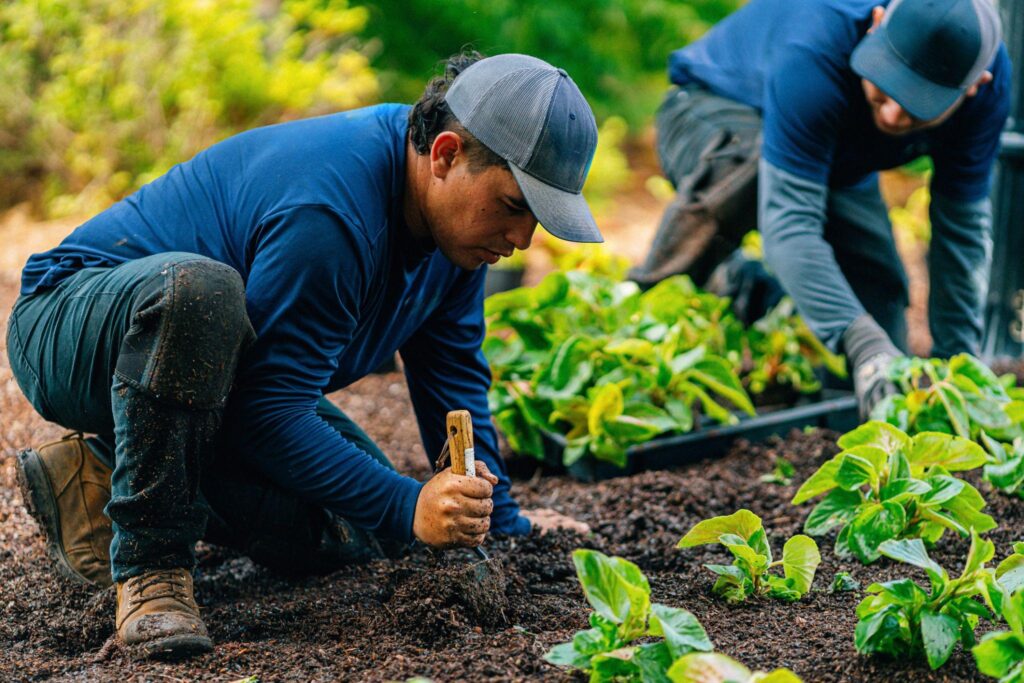
Once you know what quality construction involves, the hiring stage gets much easier. You are looking for a fit — a team like the Tazscapes landscaping company whose approach, schedule, and pricing all line up with what your property needs.
Older projects reveal more than fresh photos ever will. A patio that still sits level after four winters says everything a portfolio cannot.
Collect at least three estimates, then line them up by scope rather than by total. A lower number often means thinner base material, fewer plants, or excluded excavation. Ask each contractor to itemize so you are comparing equivalent work.
Watch for these warning signs:
Calgary’s build window runs roughly from late April through October, and good crews book out early. Homeowners who reach out in winter tend to get better scheduling flexibility and occasionally better pricing. Sod and planting do best in spring or early fall, while hardscaping can carry on later into the season.
Budget realistically, too. A full backyard transformation typically lands somewhere between fifteen and sixty thousand dollars depending on square footage, retaining walls, and features like pergolas or irrigation. Phasing the work across two seasons keeps costs manageable without sacrificing quality on the parts that matter.
A good yard in Calgary is built from the ground up, quite literally. The gravel nobody sees, the grading that carries water away from your foundation, and the pavers rated for prairie winters all decide whether your investment still looks sharp in a decade or needs redoing in three years.
Take the time to check licences, request itemized quotes, and visit older projects before signing anything. Ask direct questions about base depth and drainage, then pay attention to how contractors answer. The ones who explain their process clearly are usually the ones doing it properly.
Start conversations in the off-season, plan in phases if the budget calls for it, and choose materials suited to this climate rather than a milder one. That is how a backyard stops being a project and starts being the part of the house you actually use.
