Physical Address
304 North Cardinal St.
Dorchester Center, MA 02124
Physical Address
304 North Cardinal St.
Dorchester Center, MA 02124

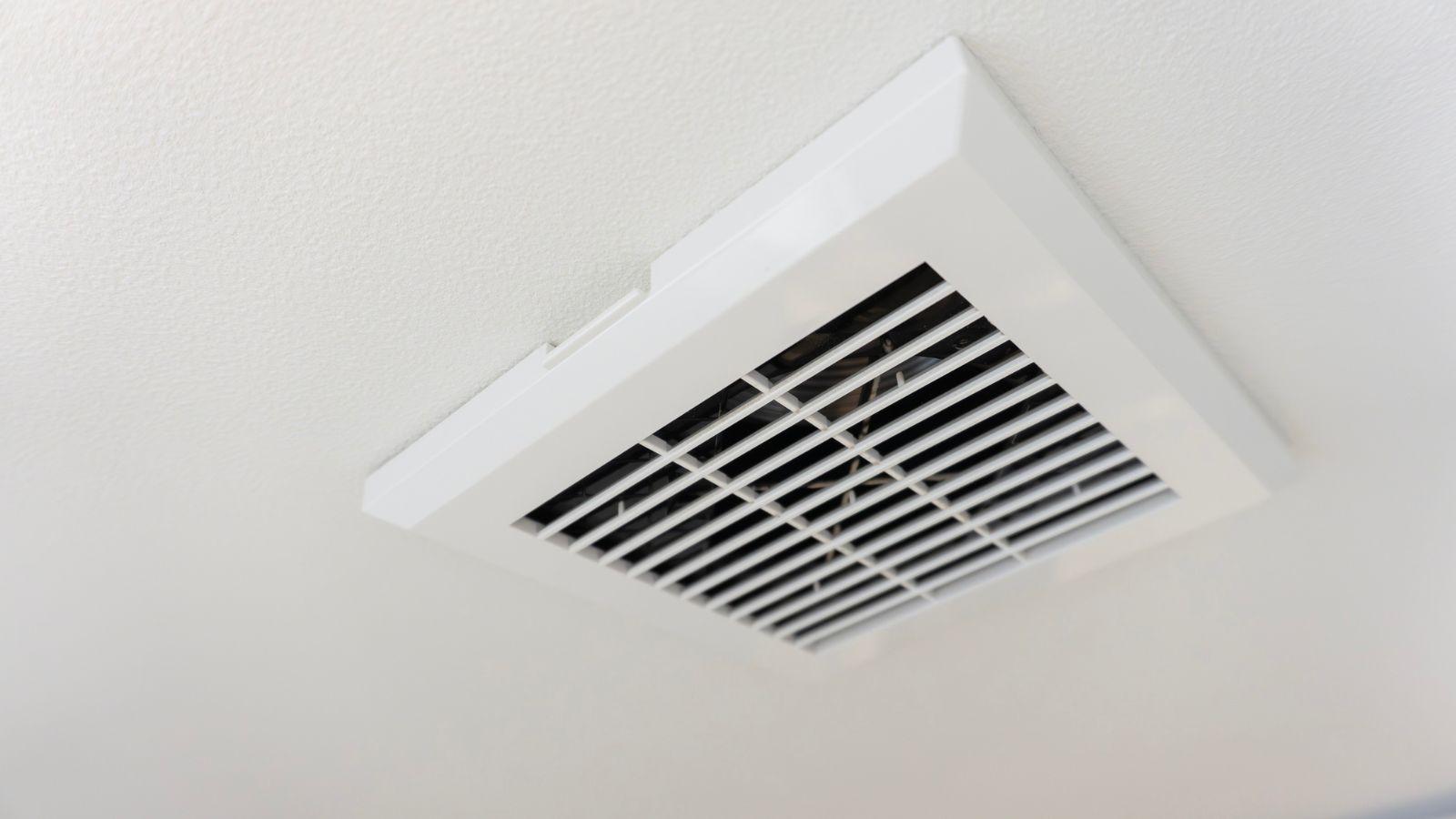
If you’ve recently used a roof repair Sandy service, whether for an inspection, a repair, or a full replacement, it’s easy to assume everything is back in order once the crew packs up and leaves. But roof-mounted exhaust fans are one of those spots that can quietly develop problems after service work, especially if the area around them wasn’t properly resealed or inspected before the job was called complete.
These fans sit at natural weak points in your roofing system. They penetrate the surface, which means any disturbance nearby, foot traffic, moving flashing, or shifted materials, can create gaps that weren’t there before. Knowing what to look for after a service visit can save you from a much bigger headache down the road.
Flashing is the metal barrier that seals the gap between the exhaust fan housing and your roof surface. It’s also one of the first things that can get bumped, bent, or improperly reseated during service work.
After any roof job, take a look at the flashing from the ground if you can, or carefully from a ladder. You’re checking that it’s lying flat against the roof, not raised at any corner or edge. Even a small lift can funnel water directly under your roofing material the next time it rains. If it looks warped, separated, or as if it was removed and only partially reinstalled, that’s worth flagging to your contractor right away.
Most exhaust fans have a bead of roofing sealant or caulk running along the base where the flashing meets the roof deck or shingles. This sealant dries out and cracks over time on its own, but service work can accelerate that process or knock it loose entirely if tools or boots come into contact with the area.
Run your eye around the entire perimeter of the fan housing. Fresh cracking, missing sections, or spots where the sealant has clearly pulled away from the surface are all signs that resealing is needed. This is a relatively simple fix, but it needs to happen before rain does its damage.
Roofers doing repair work nearby will sometimes need to lift or shift shingles to get access to an area. When those shingles are put back, they don’t always land exactly where they started, and sometimes they crack under pressure or foot traffic.
Look at the shingles within a foot or two of the exhaust fan in every direction. Check that they’re lying flat, that none of the tabs are lifted or curling, and that there are no visible cracks or breaks. Damaged shingles in this zone are a direct path for water to get underneath, and because they’re near a penetration point, the consequences can compound quickly.
The vent cap, the part that sits on top of the fan housing and allows exhaust air to escape while keeping rain and debris out, can shift during service work, especially if a worker steps nearby or leans against it. A misaligned cap won’t seal properly and can also let pests inside.
Check that the cap is sitting level, that any built-in damper or louver moves freely, and that the cap itself hasn’t cracked. These caps are made of plastic or metal, depending on the unit, and both can be damaged by direct pressure or impact.
After a day or two of rain following your service work, head up to your attic or check the ceiling below the exhaust fan. Any water staining, soft drywall, or visible drips are a clear signal that something wasn’t sealed correctly during or after the job.
Don’t wait on this one. Moisture that enters the attic space through a compromised exhaust fan penetration can lead to mold, rot, and insulation damage in a short time.
If you’re spotting any of the issues above, or if you’re just not sure what you’re looking at, it’s worth getting a qualified roofer to take a proper look. This is especially true if you live somewhere with variable weather. Anyone in the area knows that temperature swings and freeze-thaw cycles put extra stress on these vulnerable penetration points throughout the year.
A quick follow-up inspection after major service work isn’t overkill. It’s just smart ownership.
Roof-mounted exhaust fans don’t get much attention, but they’re among the most common places where post-service issues show up. After any work has been done on your roof, take a few minutes to check the flashing, sealant, nearby shingles, and vent cap. Then follow up from inside after the next rain. Catching a problem early, a small gap, a loose seal, a cracked shingle, almost always costs less to fix than waiting until water has already found its way in.
If you’re in the area and need someone to take a look after recent service work, roof repair Sandy specialists can help you confirm everything was left in proper order before the next season hits.